
The Garden on the Ramparts
Undiscovered Places >> Europe>> The Garden on the Ramparts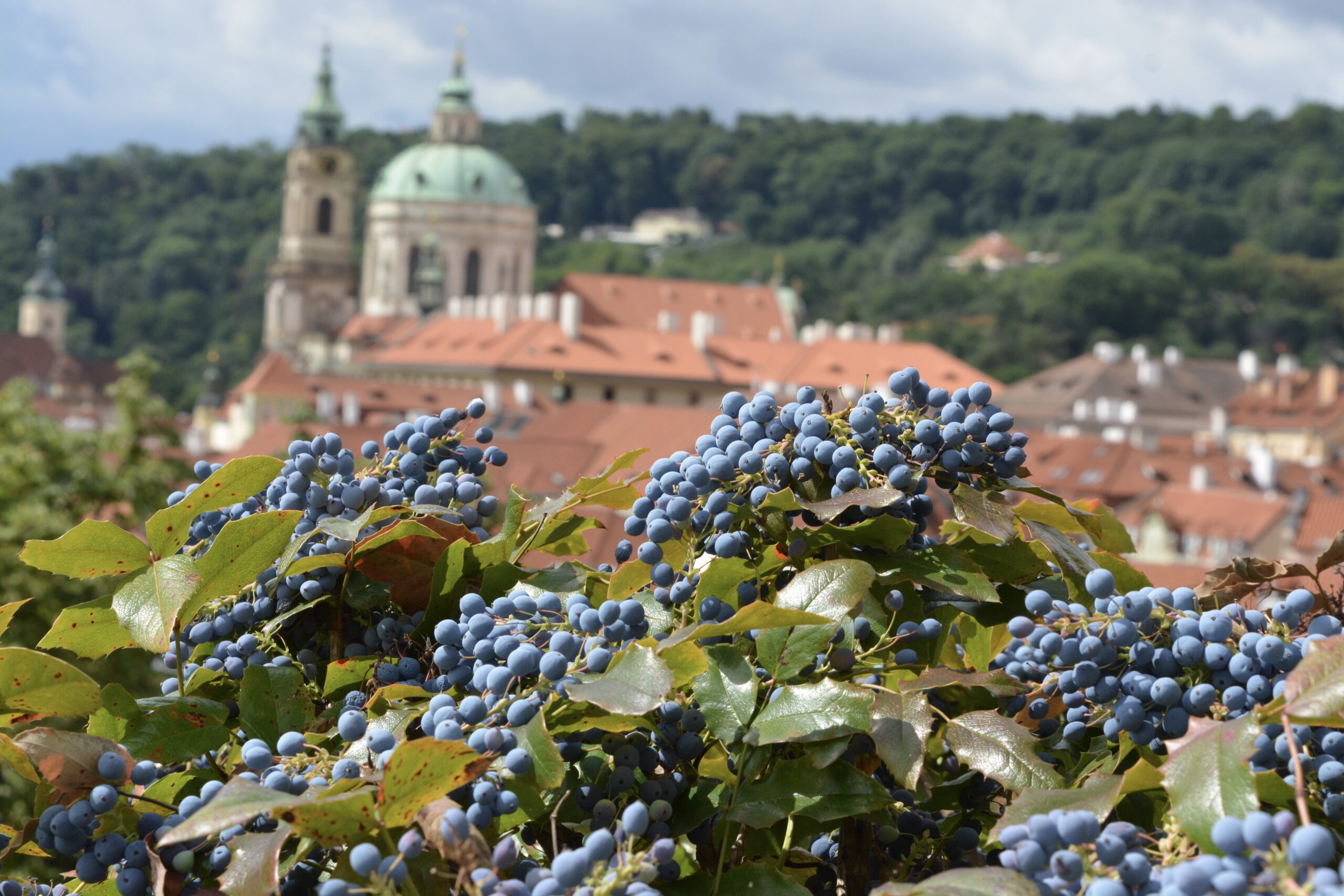
The Garden on the Ramparts
Most visitors to Prague’s famous and beautiful castle enjoy the historic building and its links to Prague’s rich past. But most visitors don’t notice the gardens beneath the southern ramparts of the castle – and yet they’re missing one of Prague’s best kept secrets – a haven of peace and beauty in the midst of the busy city.

Zahrada na Valech – the Garden on the Ramparts has been protected as a Czech national cultural monument since 1962. But the first written record of the gardens goes back to the mid 16th century, when they were first put in place by Austrian archduke Ferdinand II, known as The Tyrolean. Originally there had been a moat in the position, but after he built what he called ‘Summer Rooms’ on the southern edge of the castle grounds, he wanted a garden that would reflect that idea. The gardens face the warmth of the south, protected from any chilly north winds by the giant bulwark of the castle. That meant Ferdinand could have thermophilic – warmth loving – plants in his summer gardens.
Today there are three entrances to the gardens – two at ground level and one from the castle itself. Being built up the side of the hill, there are some spectacular staircases, including one built by architect Jože Plečnik in the first half of the 20th century called the Bull Staircase because it is decorated with bronze sculptures of bulls. Much of the way the garden looks today is thanks to Plečnik who was tasked with transforming the grounds of Prague Castle into a suitable seat for Czechoslovak presidents. And the gardens offer fantastic views across the city.

What to look for
The central terrace has a superb panorama over Malá Strana, the Vltava, the Old Town and Petřín. Unlike some of Prague’s more famous viewpoints, you’re looking down on the city from immediately beside the Castle, so you get a particularly good sense of how Prague’s historic centre fits together.
The name Na Valech literally refers to the ramparts.This wasn’t originally a pretty garden. The southern side of Prague Castle was a defensive zone, with ramparts and trenches. As the military importance of the fortifications declined, the area gradually became gardens and parkland. A fortification wall was built around the garden in 1849, and portions of it survive, although Josip Plečnik substantially lowered it during his 1920s redesign. So when you’re walking along the garden’s edge, look at the walls not simply as garden architecture but as the surviving skeleton of Prague Castle’s defensive system.
One of the most interesting Plečnik features is the Bellevue Pavilion. It’s a rather extraordinary piece of architecture, with a monumental character influenced by ancient Egyptian architecture. It is described as Plečnik’s largest architectural intervention within the garden. It’s worth looking closely at the proportions and the heavy, almost monumental treatment of the stonework. Plečnik was fascinated by ancient civilisations and symbolism, and his Prague Castle work often combines modern architecture with references to classical and ancient forms.
And Don’t miss the Bulls’ Staircase. It connects the garden with the Castle’s Third Courtyard and is one of Plečnik’s most memorable interventions. The name comes from the bronze bulls associated with the upper part of the staircase.

Prague can be insanely busy, but the gardens are often very quiet and peaceful – on the day we visited we were the only people there. The gardens won won the prestigious Carlo Scarpa award in 2002 , which is awarded annually by the Benetton foundation to the world’s most important historical parks and gardens.
Getting there
The Castle’s garden opening arrangements are seasonal, so it’s worth checking the official Prague Castle information before making a special trip. The nearest light rail and bus station is Malostranské Náměstí, a 7 minute walk away. The nearest subway station is Malostranská, 8 minutes away. Admission is free.
Related Post
In Dylan Thomas’ Footsteps
Anyone growing up in Britain in the 60s or 70s will remember the sonorous tones…